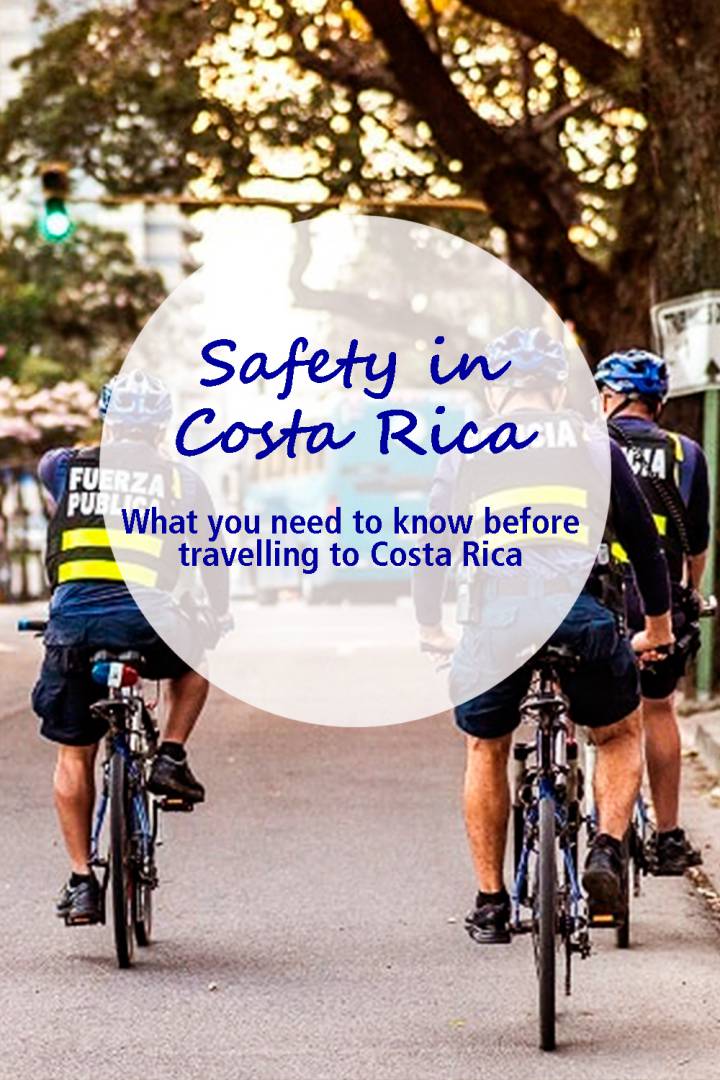
Due to some negative events, recently we are often asked about how safe Costa Rica is as a travel destination. This article will help you to properly assess the security risk and take the necessary precautions to fully enjoy your Costa Rica experience.
What do the statistics state?
According to official figures from the Ministry of Public Security citing data from the OIJ (the local judicial police investigation agency), crimes against foreign tourists declined by 27% in 2024, dropping from 1,971 incidents in 2023 to 1,437. These figures are based on official tourist arrival numbers at the airport: 2,117,960 in 2023 and 2,471,150 in 2024. Statistically speaking, the risk of being affected was 0.09% in 2023 and 0.06% in 2024.
Most cases involved crimes against tourists' property, such as the theft of valuables, money, or passports. In addition to a few cases where tourists' lives were threatened (e.g., armed robberies), there were also unfortunately sexual assaults. Consequently, most foreign ministries have updated their travel advisories, recommending that their citizens exercise increased caution, keep an eye on their belongings, and carry minimal cash.
Several press articles, which attracted international attention, reported an increase in drug-related and gang crime in Costa Rica. Unfortunately, this coincides with the local population's perception and represents one of the country's major challenges in the coming years. The next presidential elections are scheduled for February 2026, and fighting drug trafficking and organized crime is an important issue for all candidates.
From a tourist perspective, this type of crime mostly occurs in non-touristy areas, so it is extremely rare for tourists to be affected.
On a positive note, several successful initiatives by the tourist police have reduced crime in problematic areas such as Jacó, Tamarindo, and Manuel Antonio due to increased police presence. Visitors now feel safer in these areas.
How to prevent being robbed
Opportunity makes thieves. Although idyllic beaches and friendly Costa Ricans give the visitor the feeling of safety and lightheartedness, this is also true for Costa Rica. Travelling has a lot to do with cultural exchange, and it would be wrong to suspect a potential theft behind every local. This being said, you should always keep in mind:
- Your valuables should not be left unattended anywhere. This is especially true at the beach, in restaurants, bars, hotel lobbies, or busy places in general.
- Do not wear expensive jewellery
- Do not carry too much cash around with you.
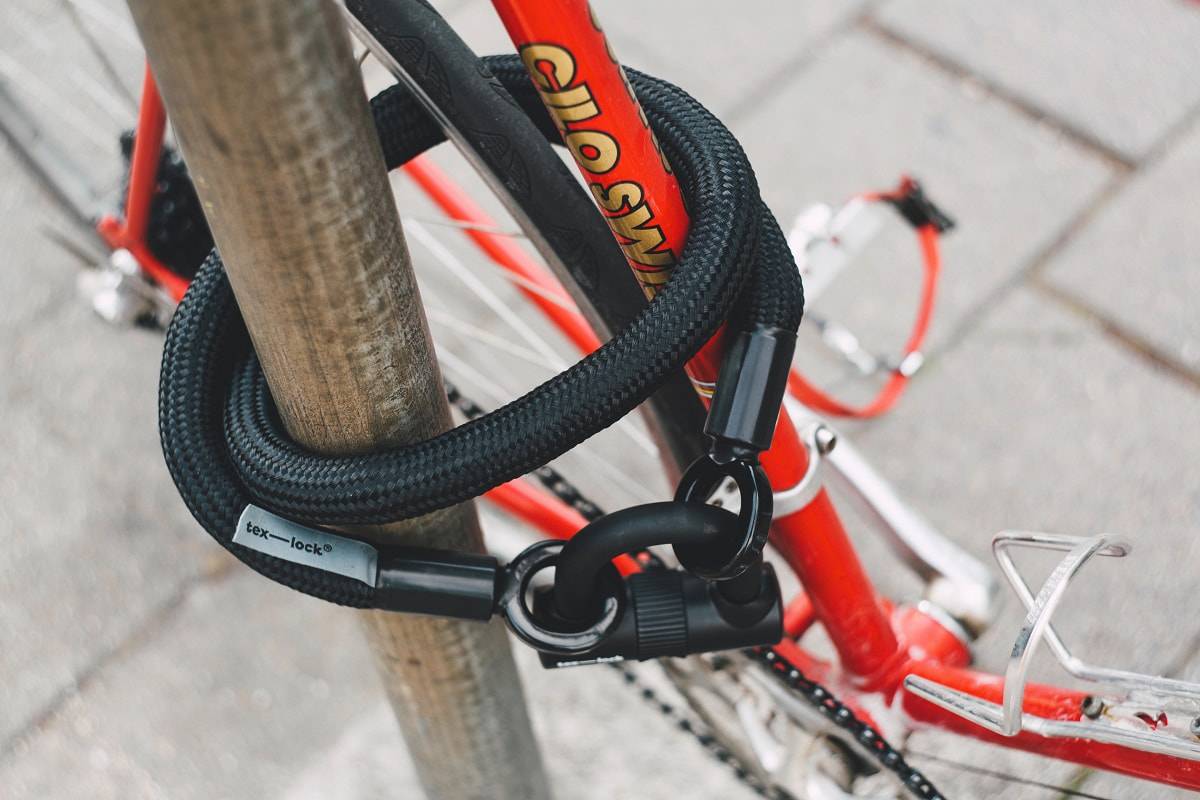
- Valuables and passports are better kept in the hotel safe in your hotel room.
- Change money only in banks, exchange offices or in the hotel. Store the money and documents before you leave the place.
- If you must take cash and passports with you, make sure they’re safely attached to you.
Safety and Rental Cars
Costa Rica is great to be explored by rental car. Again, there are a few rules to follow:
- Do not leave any valuables visible in the car. If you take a break, go to the restaurant or visit a national park, you better take the valuables with you.
- Park the car only on official and guarded parking spaces (public parking lots, hotels) and not just on the side of the road.
- If your car has got a flat tire, try to find a busy place to stop and change it, if possible (e.g. gas station, restaurant, bus stop or police patrol). Always keep an eye on your valuables. It’s possible that robbers purposefully puncture your tire and then offer to help, seizing the chance to rob you.
- Do not pick up hitchhikers.
- Try to reach your destination in daylight and avoid driving on lonely routes at night.
- In a tropical heavy rain, it’s recommended to stop at a safe place and wait until the view is better again.
- Follow the traffic rules and be patient with slow-moving trucks on winding mountain roads. Avoid dangerous overtaking manoeuvres.

What you should keep in mind
Thieves and predators have something in common: they go for those that separate from the group. Although it may seem so nice to watch the stars at night alone on the beach, it is not the best idea in terms of risk reduction. However, that does not mean, that these experiences are withheld from you. Just note the following tips:
- Inform yourself proactively on potential security risks in every hotel before doing anything on your own.
- Do not participate in activities or trips offered on the street. Inform yourself whether the provider has an official operating license from the Ministry of Tourism (ICT) or a certificate for sustainable tourism (CST), for these companies are committed to ensuring your safety.
- Visit beaches at night only in groups.
- Use an official Taxi or Uber to get around at night.
- Avoid shady neighbourhoods in cities, especially in San José, Limón and Jacó. Ask about such areas in the hotel.
- If despite all precautionary measures you should fall victim to an assault, do not resist under any circumstances. Valuables and passports can be replaced.
You’ve got the desire to visit Costa Rica?
Would you like to know more about us and why you can trust us for your trip to Costa Rica? Click here for more information:
Give the water the necessary respect
The beautiful beaches of the Pacific and Caribbean coasts of Costa Rica sometimes make you forget that there are also dangers lying within. Underwater currents, the so-called "rip currents", are quite common and can be detected with good observation. But do not rely on your eye alone and always ask locals or surfers if swimming in the sea is safe. Also, pay attention to the local safety instructions.
If you are nevertheless caught by a current and driven to the open sea, keep calm and do not try to swim against the current. Let yourself drift and try to draw attention to you. As soon as the current subsidies, first swim perpendicularly to the coast, away from the flow zone, and then with the waves back to the beach. The tourism authority provides this information video.
A bath in a brook in the middle of nature is one of the greatest experiences in Costa Rica. However, always ask first at the hotel or ask locals, whether the bathing area is safe. When thunderstorms form in the mountains or the water turns brown, flash floods are a threat, and you have to leave the water immediately.
Avoid jumping into the sea, rivers or streams from big heights without proper caution. You cannot tell if the water is deep enough or if coral reefs, rocks or wedged tree trunks lurk below the surface.

What is Costa Rica doing for the safety of tourists?
Tourism is a very important economic sector in Costa Rica and therefore safety is of great importance. The tourism authorities recently presented its security strategy:
- You may find short videos with tips regarding safety on their homepage.
- Training of 4´000 tourism companies on the subject of "proactive security management and networked communication".
- Hosting a convention on security for tourists. Participants: security experts, tourism industry, police, justice and tourism chambers of the country.
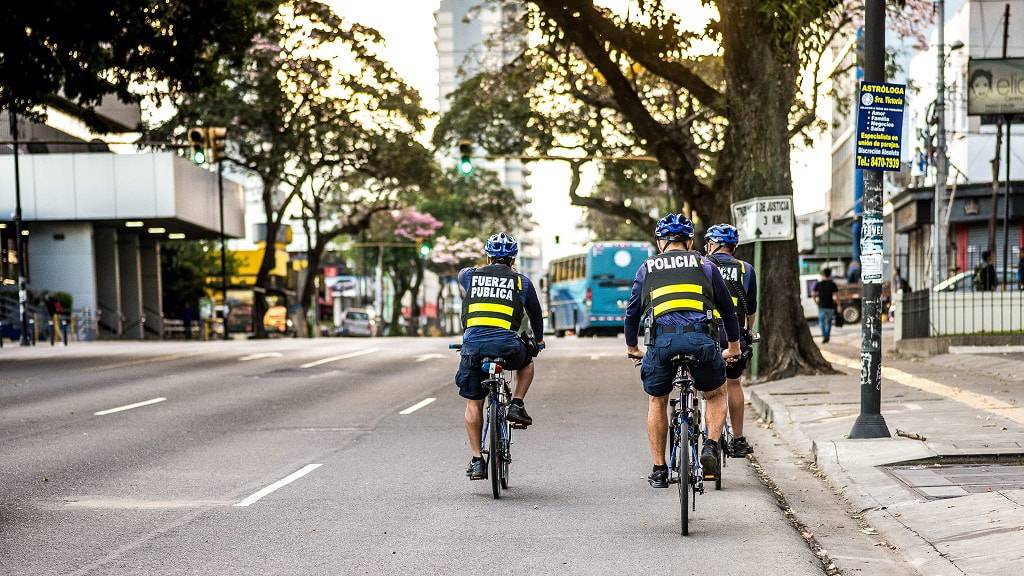
- Reinforcement of the touristic police. These are specially trained, English-speaking officials responsible for the prevention and protection of tourists in the most touristically important areas.
- Reinforce the Tourism Security Council (Consejo de Seguridad Turística) by involving all regional tourist boards and improving networked communication.
- Increasing the number of prosecutors responsible for offences against tourists, from 5 to 10. Goal: more consistent law enforcement
- Free hotline (800-8000-645) for anonymous reporting of suspicious observations or incidents.
But enough about all sorts of risks. We look forward to your Costa Rica adventure, enjoy nature to the fullest!
You want to get to know Costa Rica and travel here?
No problem! We can help you by preparing an offer without any obligation for you.